Embracing the Messy Middle
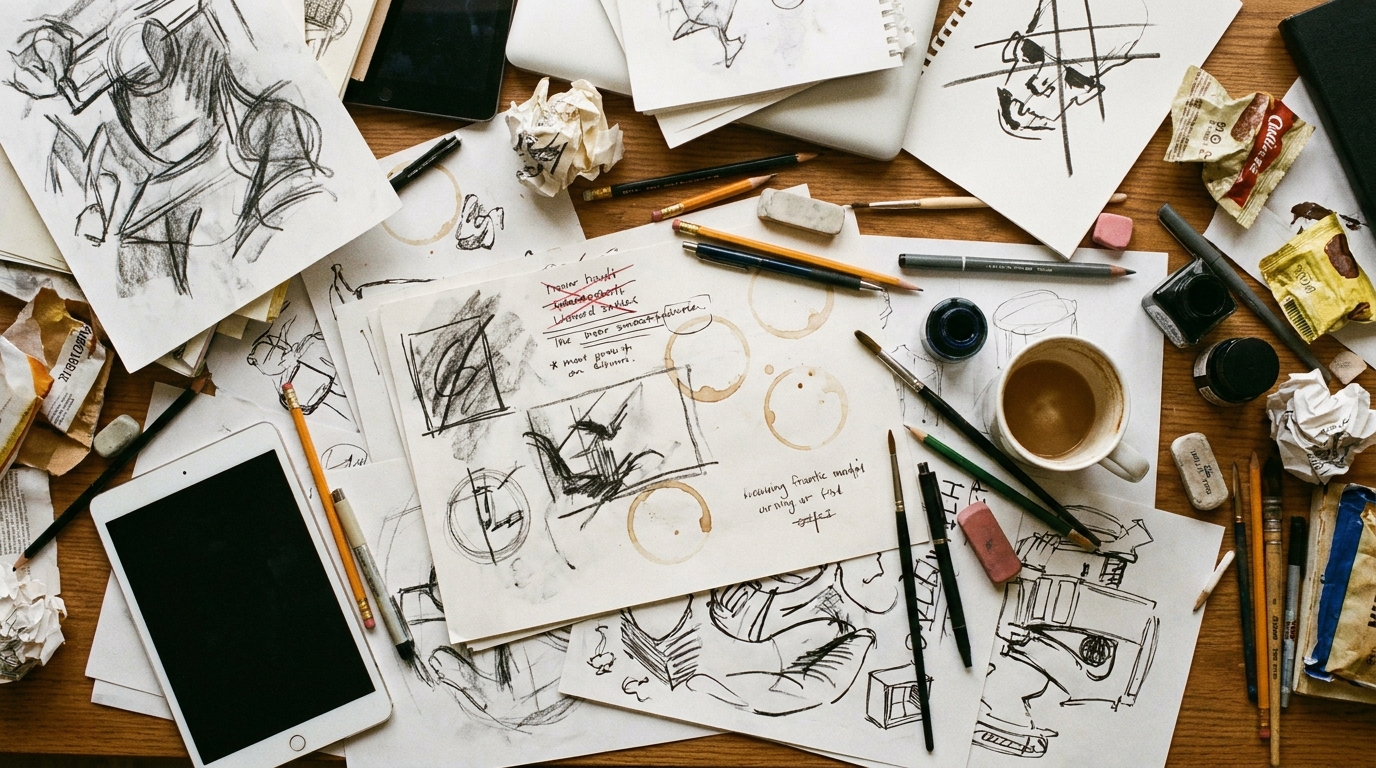
For decades, the creative industry operated under a strict unwritten rule. You must only show the polished, final product. The struggles, the discarded drafts, and the moments of profound doubt were kept hidden behind closed studio doors. However, in 2026, we are witnessing a massive cultural shift. The authentic creative process is no longer something to hide; it is a vital asset.
Audiences today are suffering from perfection fatigue. They are bombarded daily with flawless, algorithmically generated content that lacks a human soul. Consequently, they are craving transparency and genuine connection. Sharing the messy, unfinished, and vulnerable stages of creation builds stronger, more resilient relationships than presenting only pristine final products.
This movement toward visible process requires immense creative courage. It demands that creators step out from behind the curtain and say, “This is hard, and I don’t have it all figured out yet.” Let us explore why revealing your imperfections is the most powerful strategy you can adopt this year.
The Value of Hand-Made Imperfection
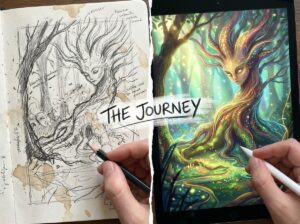
In a world where machines can generate flawless images in seconds, the definition of value has fundamentally changed. The “beauty of imperfection” is becoming a central tenet of modern design and art. Hand-made items, with their slight asymmetries and unique quirks, are gaining unprecedented value.
These imperfections serve as proof of human touch. They tell a story of physical effort, time, and dedication. When a creator leaves a visible brushstroke, a stray pencil line, or an unedited breath in an audio track, they are leaving a signature that cannot be replicated by code. This authenticity resonates deeply with audiences who are searching for something real.
Building Trust Through Transparency
When you share your process, you are inviting your audience to become co-conspirators in your creative journey. You are no longer a distant, untouchable genius. Instead, you become a relatable human being navigating the same doubts and frustrations as everyone else. This transparency builds a profound level of trust.
Consider the impact of a studio visit. It demystifies the magic and grounds the work in reality. By documenting your failures alongside your successes, you demonstrate resilience. If you want to see how other artists navigate this vulnerability, check out our featured works where we analyze the stories behind the art.

Sensory Design and Experiential Innovation
The visible process extends beyond just showing your rough drafts. It also encompasses how we engage the senses. Sensory design is a major trend in 2026. Creators are looking for ways to make their work feel more tactile and experiential, even in digital spaces.
This means incorporating the sounds of the studio, the texture of the materials, and the physical movement involved in creation. It transforms the viewing experience from a passive observation into an active engagement. The audience doesn’t just see the art; they feel the effort that went into it.
Cultural Authenticity and Storytelling
True cultural authenticity cannot be manufactured; it must be lived and documented. Sharing your process allows you to weave your personal and cultural background into the narrative of your work. It provides context that elevates the final piece from a mere object to a meaningful artifact.
Every creative decision — from the materials chosen to the themes explored — is informed by your unique perspective. By making this process visible, you are telling a richer, more nuanced story. You are showing not just what you made, but why you had to make it.
Collaboration Over Competition
Another significant shift in the creative landscape is the move toward cross-disciplinary collaboration. The myth of the lone genius is fading. In its place, we see a rise in collective creativity, where artists, scientists, psychologists, and technologists work together to solve complex problems.
When process is made visible, it opens the door for unexpected collaborations. Sharing your unfinished work invites feedback, suggestions, and new perspectives. It transforms the creative act from a solitary struggle into a community-driven performance.

The Performance of Creation
In many ways, the process itself has become the performance. Platforms that allow for live streaming or behind-the-scenes documentation have turned the act of making into a spectator event. This performative aspect requires a different kind of vulnerability.
You must be willing to make mistakes in real-time. You must allow others to see you pivot, adjust, and sometimes start over completely. However, the reward is a highly engaged audience that feels a sense of ownership and investment in the final outcome.
Conclusion: The Courage to Be Seen
Embracing the beauty of imperfection is not an excuse for sloppy work. Rather, it is a deliberate choice to prioritize authenticity over polish. It is an acknowledgment that the journey is just as important, if not more so, than the destination.
In 2026, your visible process is your greatest creative asset. It differentiates you in a crowded market, builds deep trust with your audience, and fosters meaningful collaborations. So, have the courage to show your messy middle. The world is waiting to see the real you.