Moving Beyond the Struggling Artist Trope
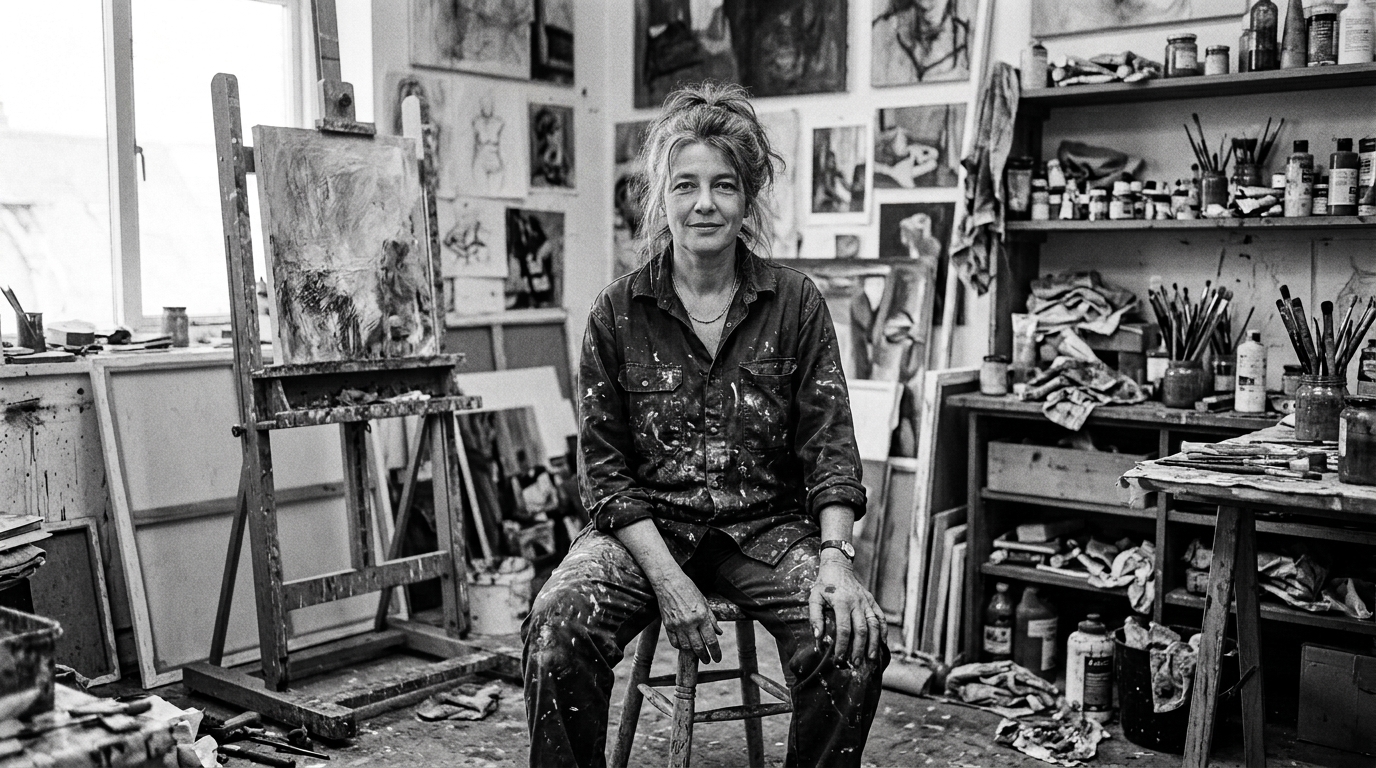
For generations, the cultural narrative surrounding creativity has romanticized the “struggling artist.” This damaging trope suggested that great art could only be born from profound suffering, poverty, and instability. However, in 2026, we are witnessing a vital paradigm shift. Through authentic artist interviews, creators are actively dismantling this myth.
Today’s artists are demanding a more sustainable and healthy approach to their craft. They are speaking openly about mental health, financial realities, and the emotional toll of maintaining a public creative life. Consequently, vulnerability is no longer viewed as a weakness; it is recognized as a profound strength. By sharing their unfiltered stories of change, these artists are paving the way for a healthier creative ecosystem.
This transparency is reshaping how audiences connect with creators. It fosters empathy and understanding, breaking down the artificial barriers between the “genius” and the public. Let us explore the key themes emerging from these honest conversations and how they are transforming the artistic landscape.
The Courage to Discuss Mental Health
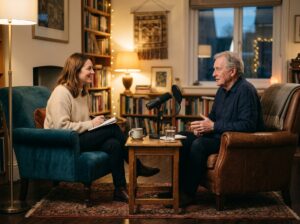
One of the most significant changes in recent years is the willingness of artists to discuss their mental health openly. In the past, struggles with anxiety, depression, or burnout were hidden away, feared as signs of professional liability. Now, these challenges are being brought into the light.
Artists are sharing how the pressure to constantly produce and perform affects their well-being. They are discussing the isolation of the studio and the anxiety of public reception. Furthermore, by normalizing these conversations, they are dismantling the stigma surrounding mental illness in the creative sector. This openness is saving lives and encouraging others to seek the help they need.
Sustainable Practices in a Fast-Paced World
The relentless demand for new content has pushed many creators to the brink of exhaustion. In response, artists are redefining what a successful career looks like. They are prioritizing sustainable practices over constant hustle. This means setting boundaries, taking necessary breaks, and rejecting the expectation of perpetual availability.
During interviews, many artists highlight the importance of resting and recharging. They acknowledge that true creativity requires fallow periods. If you want to understand how this sustainable approach affects the final output, read our insights in the creativity section.

Financial Realities and the Myth of Exposure
Another crucial topic being addressed is the financial reality of being a working artist. For too long, creators were expected to work for “exposure” rather than fair compensation. Today, artists are speaking candidly about the economics of their profession.
They are sharing the challenges of navigating inconsistent income, funding projects, and managing the business side of art. By being transparent about money, they are educating both emerging artists and the public. This honesty is essential for building a system where creators are fairly valued for their contributions to society.
The Impact of Algorithm Fatigue
The rise of social media platforms has drastically altered how art is discovered and consumed. While these tools offer unprecedented reach, they also demand constant engagement. Many artists express deep frustration with “algorithm fatigue”—the exhausting need to feed the machine to remain visible.
In our interviews, creators discuss the tension between making art for themselves and making content for the algorithm. They are finding new ways to connect directly with their audiences, bypassing the platforms that demand constant performance. This shift towards direct connection is fostering more loyal and supportive communities.
Documenting the Process of Change
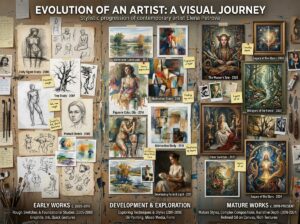
Change is the only constant in a long artistic career. Yet, audiences often resist when an artist evolves or changes direction. Through documentary-style interviews, artists are pulling back the curtain on their evolution. They are explaining the “why” behind their shifting styles and interests.
This documentation is vital. It shows that artistic growth is rarely linear. It involves experimentation, failure, and the courage to abandon what is comfortable. By sharing these stories of transition, artists give their audiences the context needed to appreciate their new directions.
The Power of the Unfiltered Voice
Ultimately, the power of these interviews lies in the unfiltered voice of the artist. When the PR spin is stripped away, what remains is genuine human experience. This authenticity resonates deeply with audiences who are tired of curated perfection.
We are privileged to witness this era of radical honesty. The artists who are willing to share their vulnerabilities are not just making great art; they are changing the culture. They are proving that strength does not come from invulnerability, but from the courage to be truly seen.
Conclusion: A Healthier Creative Future
The shift towards authentic, vulnerable conversations is one of the most positive developments in the contemporary art world. By sharing their unfiltered stories of change, artists are dismantling toxic myths and building a healthier, more sustainable future for creativity.
As audiences, we have a responsibility to listen to these stories and support the artists who are brave enough to share them. When we value the human behind the art as much as the art itself, we create a culture where true creativity can thrive.